Hyundai · 2021–2026 · 4 trims
Hyundai IONIQ 5 Home Charger Requirements by Trim
All 4 trims need the same thing at home: a 48A charger on a 60A circuit reaches full speed on every one. That is for 2026 models; earlier model years differ, see below.
Check my panel for this car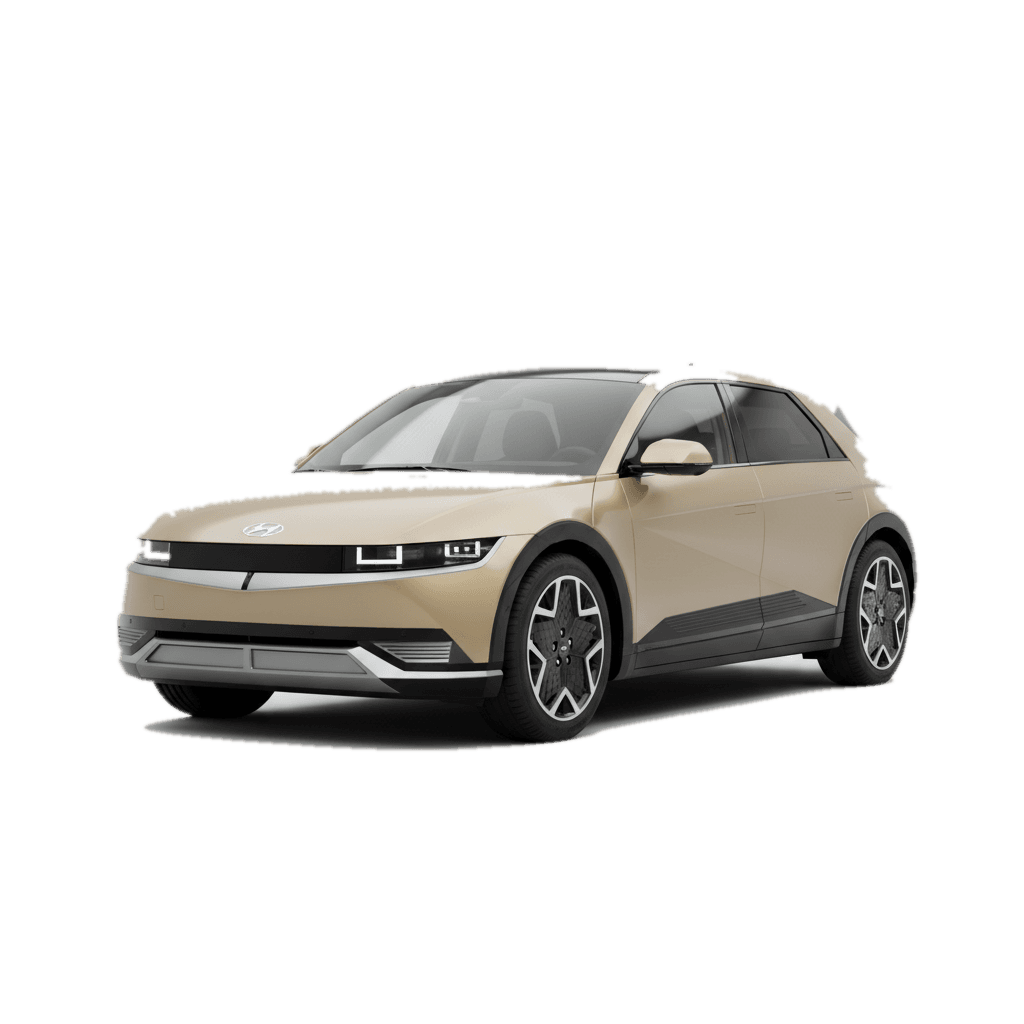
Every IONIQ 5 trim, side by side
From each trim's onboard charger rating, not a generic EV number. Pick your trim to run the assessment with it pre-selected.
| Trim | Years | Onboard charger | Draw at 240V | Full-speed install | Empty to full | Range per hour | Range / battery | Check |
|---|---|---|---|---|---|---|---|---|
| Limited AWD | 2021–2026 | 10.9 kW | ~45A | 48A charger, 60A circuit | 7.1 hrs | ~35 mi | 260 mi / 77.4 kWh | Check panel |
| SE Standard Range RWD | 2021–2026 | 10.9 kW | ~45A | 48A charger, 60A circuit | 5.3 hrs | ~38 mi | 220 mi / 58 kWh | Check panel |
| SEL Long Range RWD | 2021–2026 | 10.9 kW | ~45A | 48A charger, 60A circuit | 7.1 hrs | ~37 mi | 303 mi / 77.4 kWh | Check panel |
| XRT AWD | 2025–2026 | 11 kW | ~46A | 48A charger, 60A circuit | 7.6 hrs | ~33 mi | 254 mi / 84 kWh | Check panel |
Draw = onboard charger kW x 1000 / 240V. Empty to full = battery kWh / charger kW. Range per hour = charger kW x the trim's efficiency. DC fast peaks: Limited AWD 250 kW, SE Standard Range RWD 250 kW, SEL Long Range RWD 250 kW, XRT AWD 350 kW.
Older IONIQ 5 model years
The tables above use the newest model year of each trim. The onboard charger was not the same every year, so check yours here before sizing a circuit.
- 2021–2024: 10.9 kW onboard charger
- 2025–2026: 10.9 / 11 kW onboard charger
Range added per hour, by charger size
Miles added per hour of charging at common home charger settings. Past a trim's onboard rating a bigger charger adds nothing, so those cells are marked.
| Charger | Limited AWD | SE Standard Range RWD | SEL Long Range RWD | XRT AWD |
|---|---|---|---|---|
| 16A (3.8 kW) | ~12 mi | ~13 mi | ~13 mi | ~12 mi |
| 24A (5.8 kW) | ~18 mi | ~20 mi | ~20 mi | ~17 mi |
| 32A (7.7 kW) | ~25 mi | ~27 mi | ~26 mi | ~23 mi |
| 40A (9.6 kW) | ~31 mi | ~34 mi | ~33 mi | ~29 mi |
| 48A (11.5 kW) | ~35 micapped by car | ~38 micapped by car | ~37 micapped by car | ~33 micapped by car |
| 8-hour overnight, full speed | ~280 mi | ~304 mi | ~296 mi | ~264 mi |
What this means for your panel
The circuit in the table is what lets your trim charge at its full rating. A smaller circuit still works and charges slower. Whether your panel has room for the circuit you want depends on everything else already on it: that is the actual assessment.
Connector: NACS. NACS (North American Charging Standard, originally Tesla's plug) is now the connector most new EVs are shipping with for both home Level 2 and public DC fast charging.
Full Hyundai IONIQ 5 charger installation guideHyundai IONIQ 5 charging questions
What size circuit does a Hyundai IONIQ 5 need for home charging?
Every IONIQ 5 trim reaches its full home charging speed with a 48A charger on a 60A circuit. That is for 2026 models; earlier model years differ, see below. Whether your panel has room for that circuit depends on everything else already on it.
How many amps does a Hyundai IONIQ 5 draw on Level 2?
45A to 46A at 240V, depending on trim. That is the onboard charger rating (10.9 to 11 kW) divided by 240 volts.
How long does a Hyundai IONIQ 5 take to charge at home?
About 5.3 to 7.6 hours from empty to full at each trim's maximum Level 2 speed: battery size divided by onboard charger rating. Most nights you only refill what you drove.
Do all IONIQ 5 trims charge at the same speed at home?
No. Onboard chargers range from 10.9 to 11 kW across trims, so the charger and circuit that reach full speed differ. The table above lists each trim.
Other Hyundai EVs
Will your panel handle this?
ChargeRight runs the full NEC load calculation against your actual panel - not a generic rule of thumb.
Check my panel$49.99 - results in minutes